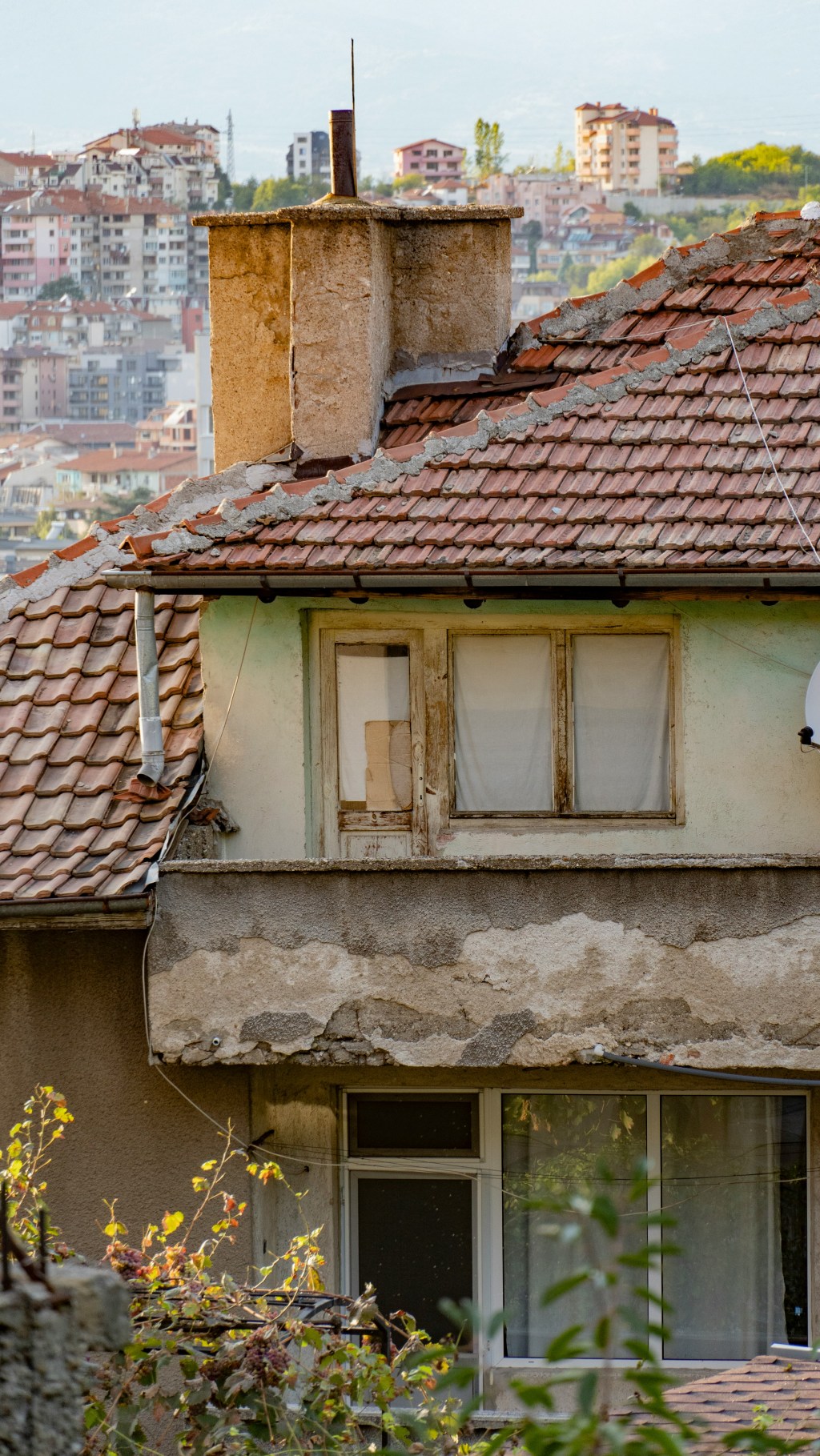
This is a piece that was written as part of a personal creative writing project. It details my summers in Bulgaria when I was a child and the reality of growing up.
When I run inside the garden through the broken door, and push aside the branches of the pomegranate tree, I can already see it. The sun is beaming down on me, deadly, as I look at the windowsill awash with flowers and plants, none of which are alike. There are the earthy-smelling geraniums, a small lemon tree, and other small shrubs, the names of which elude me. All are planted in various pots, in paint cans or plastic boxes. No clay pots bought specifically for the occasion. Here, everything has a second life.
The window lets you see through a room on the first floor. It’s my grandmother’s bedroom, the room where I spent every single suffocating childhood summer. The house has several rooms and another floor, but the sleeping, prepping, cooking, the fighting, the telling of stories, my grandma and her sly smile as she recalls all the boys she rejected before my grandpa, is done in this room. On the right, the wood stove where my grandma cooks, too big for the small room, suffocating us in the deafening Bulgarian heat. Next to it, the oven, old as communism, with its broken buttons, which my grandmother refuses to get rid of because it still works very well, so I don’t see why I would change it. Along the same wall, a simple single bed with metal legs and yet another one along the adjacent wall, both beds disguising as a couch. They are covered in long-haired orange fuzz and bounce like trampolines. My sister and I would jump on them every morning. In front of the beds is a simple white table with a flowery plastic tablecloth.
This is the room where breakfast, lunch, occasional snacks, and dinner are prepared. This is the room of “what do you want to eat this morning, Valerka?” and my never-changing answer of “Princeski!”, my favourite: toasted slices of bread covered with golden eggs from the neighbour and fresh feta, fed to the moody oven for a few minutes. Here, you eat, or you offend. The heat is unbearable as more logs are sacrificed to the fire to warm the hobs, the heat made worse by my mother shouting the usual: “Go sit down you mad woman, at your age you should be resting!” without any acknowledgment from the interested party, while she continues to feed the fire vigorously, perhaps even more vigorously. When the toast is placed in the flowery plates that held my mother’s meals when she was a child, when the tea and coffee are poured, the teapot closed with the lid of an old jam jar, the original lid, I don’t know where it ran off to, when everything is to her satisfaction, only then could we think to eat. We walk barefoot on the warm tiles of the outside patio, to the shaded table, napkins, forks, and glasses in hand. Running back to get the lemonade, yelling something to my grandmother that she won’t hear and calming down my mother, yes she’s coming, she’s gonna sit down, don’t worry. My sister and I eating as fast as we can as the neighbouring children already call us to play.
Now, summers in Bulgaria are still unbearably hot, tiles setting my bare feet on fire. The bedroom has not changed, wood stove burning to heat up the coffee every morning. But the children are grown, and the ones who stay here all year don’t want to play with the imposters who only come in the summer, who leave when it gets cold and hard. Not quite belonging, we were французойките, the French girls, something we only were by accident. The beds have become just beds, goodbye trampoline. Now, I see the cracks along the wall that I had never noticed, the second life of every object, never allowed to die, and the worried look inside the wallet at the tiny corner shop. I see it all. I wish I could keep my innocence and not see, but the room is still there, and I can’t.
 Valerie Fivaz