
In Switzerland, public health communicators must juggle a classic tension inherent in Swiss federalism: how to convey a consistent message across cantons with different realities? To explore this issue, this article draws on a case stuy of the LOVE LIFE campaign (2024).
LOVE LIFE: Eradicating STIs in Switzerland
The aim of LOVE LIFE, which is part of the national programme ‘Stop HIV, hepatitis B and C and sexually transmitted infections’ (NAPS), is to eradicate STIs by 2030, targeting young people.
Prevention information is centralised on a website with a list of testing centres and the ‘safer sex check’ tool, which allows people to assess their sexual health. Various digital and printed materials are part of the campaign.
But are cantonal actors allowed to adapt the communication put in place by the FOPH to their needs in a decentralised government?
Cantonal Freedom vs. Federal Authority
Caroline Jacot-Descombes, head of LOVE LIFE at SANTE SEXUELLE SUISSE (SSCH), argues that:
The cantons implement the LOVE LIFE campaign according to their priorities and capacities; [they] therefore have some leeway (principle of federalism).
In principle, the cantons are therefore allowed to make changes according to their communication needs, but how do the cantons see the situation?
National Unity vs. Local Needs
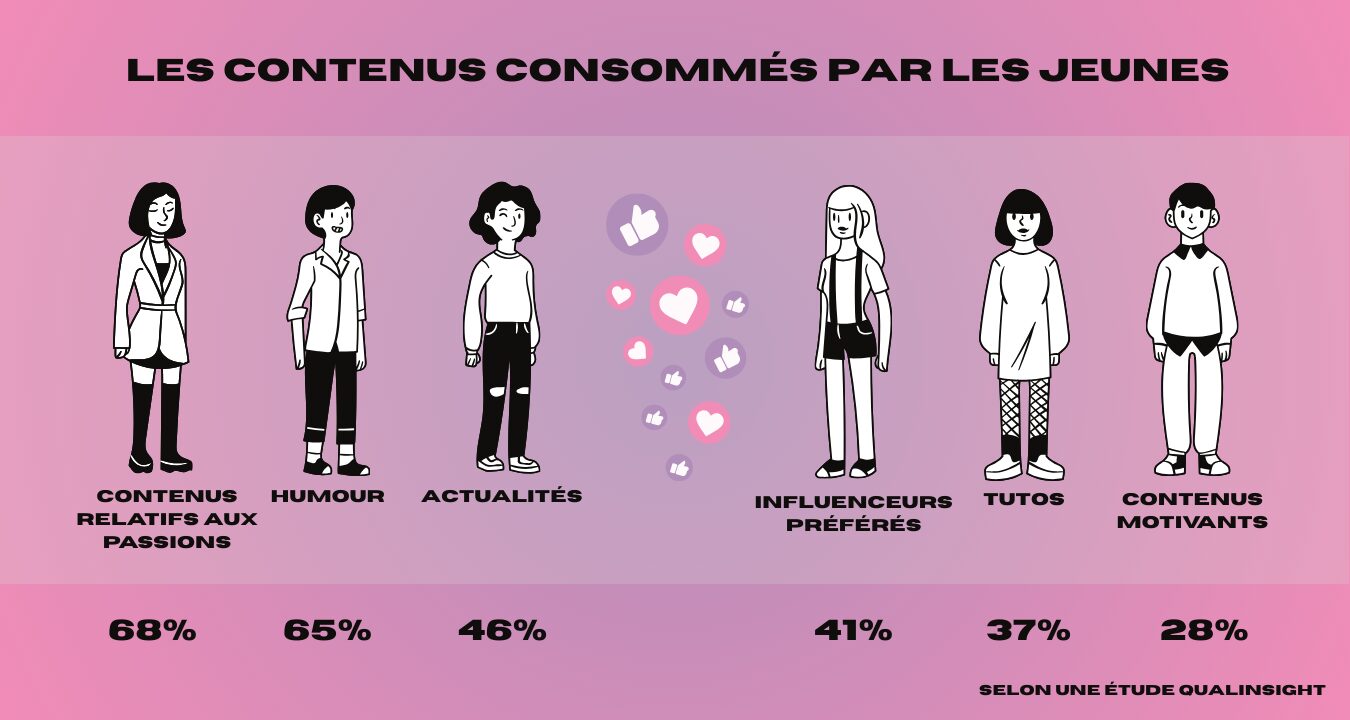
In fact, the cantons and other local actors rarely feel that their views are taken into account. They believe that better collaboration between the cantons and the Confederation is necessary for the message to reach its audience, particularly in 2025, when young people are consuming ultra-personalised content.
According to Carole Bielmann Brodard, head of sector at the Fribourg Centre for Sexual Health (CFSS),
the Confederation sets objectives without necessarily checking whether the cantons have the necessary resources to implement them.
This sentiment is shared by Johanne Guex, from the Sexuality Information Prevention Education Centre (SIPE), who believes that a new ‘bottom-up’ methodology would be more suited to cantonal differences. In her view, it is crucial to take local specificities into account in order to respond to the resurgence of an STI in a region or to adjust to differences in reception between rural and urban areas.
A lack of resources and freedom
Sexual health centres distribute national tools but do not always have the freedom or the possibility to adjust them. Johanne Guex considers materials such as leaflets and the ‘safer sex check’ to be too generic and therefore ill-suited to the specific characteristics of the local population, particularly young people, who are the target audience. It is for all these reasons that Johanne Guex states that this tool is no longer used in her SIPE centre.
Local actors believe that regional adaptation of content is the key to a successful communication campaign, as personalised content is more engaging. In their view, the cantons’ room for manoeuvre should include the possibility of adapting materials created at federal level to local specificities.
What compromise?
LOVE LIFE illustrates the tensions of federalism, where the Confederation creates a national campaign with a uniform message while relying on localities for its success. In 2025, there is a growing need for greater coordination between the cantons and the Confederation in the development of communication.
Towards better collaboration
In November 2025, an integrated exercise (EI 25) will take place, which
A more collaborative approach was implemented during the COVID-19 crisis, with increased communication between the cantons, the Confederation and local health professionals, and greater flexibility given to the cantons. Indeed,
The impact of shared governance on the effectiveness of campaigns
The cantons were allowed to analyse the local situation and make changes accordingly, without the Confederation taking an overly centralised approach.
Greater freedom for the cantons, combined with better collaboration between them, gave rise to campaigns such as ‘Thank you for staying at home’, which received over a million views.
These factors suggest that a more collaborative approach between the federal government and the cantons, particularly with the freedom to adapt government guidelines at the local level, could enhance the effectiveness of public health communication campaigns.
LOVE LIFE : Entre liberté cantonale, autorité fédérale et communication
En Suisse, les communicants d’intérêt général doivent jongler avec une tension classique du fédéralisme suisse : comment faire passer un message uniforme dans des cantons aux réalités différentes ? Pour explorer cette problématique, cet article s’appuie sur l’exemple de la campagne LOVE LIFE (2024).
LOVE LIFE : Éradiquer les IST en Suisse
L’objectif de LOVE LIFE, intégrée dans le programme national « Stop au VIH, aux virus des hépatites B et C et aux infections sexuellement transmissibles » (NAPS) est d’éradiquer les IST d’ici 2030, en ciblant les jeunes.
Les informations de prévention sont centralisées sur un site web avec une liste des centres de dépistage et l’outil « safer sex check », permettant d’évaluer la santé sexuelle d’une personne. Différents supports numériques et imprimés complètent la campagne.
Mais les acteurs cantonaux sont-ils autorisés à adapter la communication mise en place par l’OFSP à leurs besoins dans un gouvernement décentralisé ?
Liberté cantonale vs. Autorité fédérale
Caroline Jacot-Descombes, responsable de LOVE LIFE au sein de SANTE SEXUELLE SUISSE (SSCH), soutient que :
Les cantons mettent en œuvre la campagne LOVE LIFE en fonction de leurs priorités et capacités ; [ils] bénéficient donc d’une marge de manœuvre (principe du fédéralisme).
En principe, les cantons sont donc autorisés à faire des changements selon leurs besoins en communication, mais comment les cantons voient-ils la situation ?
Unité nationale et besoins locaux
En effet, les cantons et autres acteurs locaux se sentent rarement pris en compte et estiment qu’une meilleure collaboration entre cantons et Confédération est nécessaire pour que le message atteigne son public, en particulier en 2025, où les jeunes consomment majoritairement des contenus ultra-personnalisés.
Selon Carole Bielmann Brodard, cheffe de secteur au Centre fribourgeois de santé sexuelle (CFSS),
la Confédération fixe des objectifs sans forcément vérifier si les cantons ont les ressources nécessaires pour leur mise en œuvre.
Ce sentiment est partagé par Johanne Guex, du centre Sexualité Information Prévention Éducation (SIPE), pour qui une nouvelle méthodologie « bottom up » serait plus adaptée aux différences cantonales. D’après elle, tenir compte des spécificités locales est crucial, pour répondre à la recrudescence d’une IST dans une région ou pour s’ajuster aux différences de réception entre campagnes et villes.
Un manque de ressources et de liberté
Les centres de santé sexuelle diffusent les outils nationaux mais n’ont pas toujours la liberté ou la possibilité de les ajuster. Johanne Guex voit les supports comme les dépliants ou le “safer sex check” comme trop génériques et donc peu adaptés aux spécificités du public local, en particulier pour les jeunes qui sont pourtant le public cible. C’est d’ailleurs pour toutes ces raisons que Johanne Guex déclare que cet outil n’est plus utilisé dans son centre SIPE.
Les acteurs locaux estiment que l’ajustement régional des contenus est la clé du succès d’une campagne de communication, car les contenus personnalisés sont plus engageants. Selon eux, la marge de manoeuvre des cantons doit inclure la possibilité d’adapter les supports créés au niveau fédéral pour les spécificités locales.
Quels compromis ?
LOVE LIFE illustre les tensions du fédéralisme, où la Confédération crée une campagne nationale avec un message uniforme tout en dépendant des localités pour son succès. En 2025, le besoin d’une coordination plus renforcée entre cantons et Confédération dans l’élaboration de la communication se fait sentir de plus en plus.
Vers une meilleure collaboration
En novembre 2025 aura lieu un exercice intégré (EI 25), qui
Une approche plus collaborative avait été mise en place pendant la crise du Covid-19, où les échanges entre cantons, Confédération et professionnels de santé locaux avaient été renforcés et une plus grande marge de manoeuvre avait été laissée aux cantons. En effet,
L’impact d’une gouvernance partagée sur l’efficacité des campagnes
Les cantons avaient été autorisés à analyser la situation locale et à faire des changements en conséquence, sans que la Confédération utilise une approche trop centralisée.
Une plus grande liberté des cantons combinée à une meilleure collaboration entre eux a donné naissance à des campagnes comme « Merci, vous qui restez chez vous », avec plus d’un million de vues.
Ces éléments laissent penser qu’une approche plus collaborative entre Confédération et cantons, notamment avec la liberté d’adapter les directives du gouvernement au niveau local, pourrait renforcer l’efficacité des campagnes de communication de santé publique.

 Valerie Fivaz